
Level Crossing Removal Project: Driving Social Impact Through Procurement and Partnerships
The Level Crossing Removal Project (LXRP) is one of Victoria's largest infrastructure programs, delivered through five Alliance partners: John Holland, McConnell Dowell, Laing O'Rourke, Acciona and Fulton Hogan. The program had genuine ambitions for social procurement and was achieving strong outcomes in some areas, but progress was uneven. Each Alliance operated independently, with limited mechanisms for sharing lessons or building on what was working.
There was no natural mechanism for seeing the full picture. Social procurement was largely framed as a compliance requirement - common in large infrastructure programs, but it meant systemic patterns and opportunities stayed invisible. The gap between what the program could achieve and what it was actually delivering was hard to close from within any single Alliance.
Working across the full program as a specialist in social procurement and inclusive employment, I conducted in-depth data analysis and stakeholder interviews to identify patterns, risks and opportunities that were only visible from across the whole program. I used those insights to inform targeted action, and focused on shifting the conversation from compliance to purpose - helping leaders understand not just what they needed to report, but why it mattered and where to focus for the greatest social return.
The program achieved over $580 million in cumulative social procurement spend - around 5% of the total project budget - with meaningful investment in Aboriginal businesses, social enterprises and employment for people facing disadvantage. Internal capability grew, and LXRP went on to be recognised as a global leader in social procurement in infrastructure.
If you're running a large, multi-partner program and want to move beyond compliance reporting towards social procurement that genuinely delivers at scale, I'd be glad to talk through what a role like this looks like in practice.
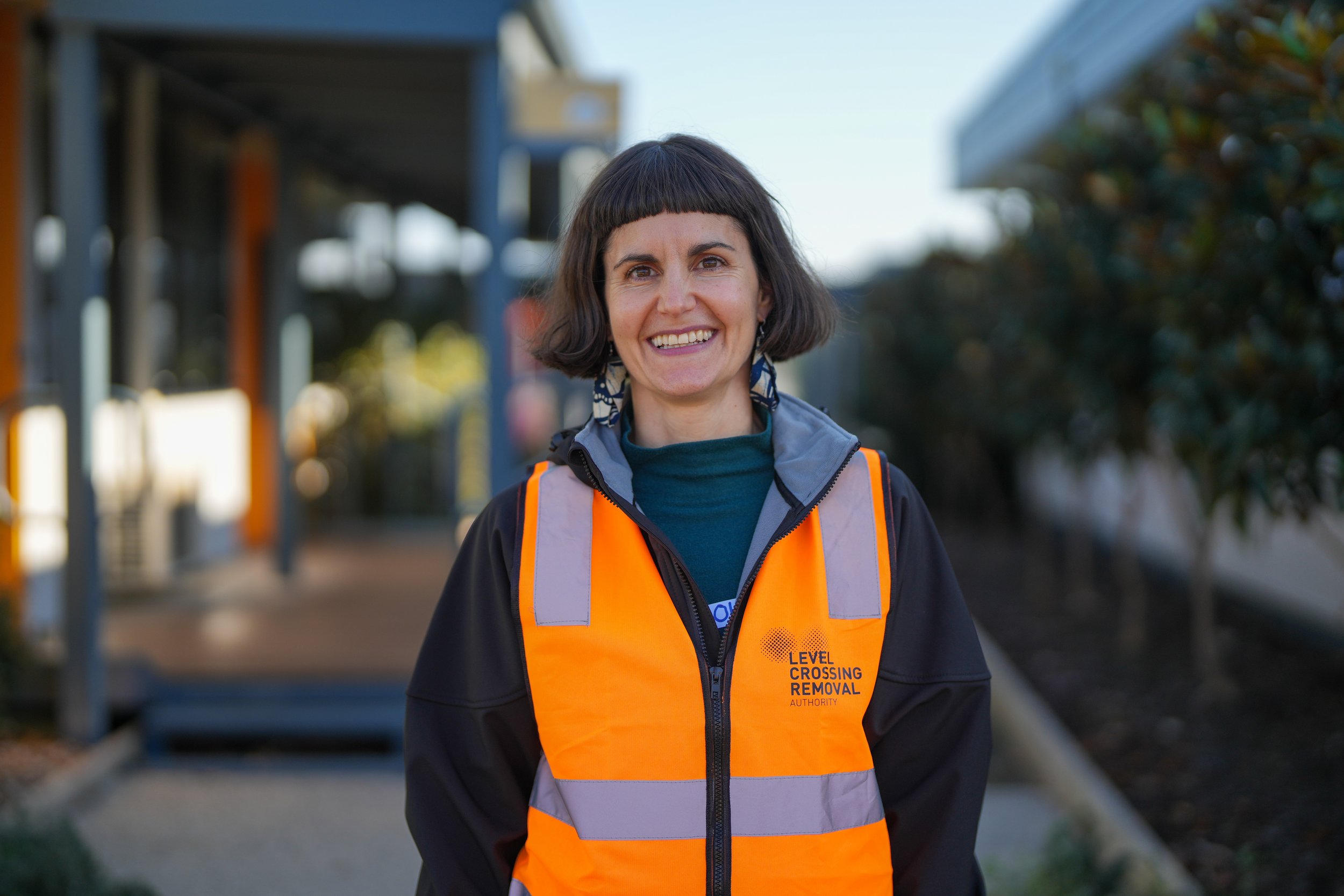
I led this work as part of my role heading inclusion and social procurement at the Level Crossing Removal Project, before founding Impact Practice. It's a direct example of the social procurement strategy and stakeholder engagement thinking I now bring to clients.