
Australian Red Cross: What It Took to Modernise One of Australia’s Biggest Social Enterprises

Australian Red Cross had a bold vision: to transform its sprawling national network of op shops into a modern, vibrant social enterprise. The potential was obvious – 164 stores, 4,500 volunteers, a globally recognised humanitarian brand and a consumer landscape where appetite for secondhand and sustainable fashion was genuinely growing. But the retail division had inherited a legacy of fragmented operations. Stores were running under a state-based model despite a national restructure, with no consistent strategy, branding or approach. Some were still using cash tins instead of registers.
Scale is its own kind of challenge. A network spanning every state and territory, built on volunteer communities with deep local roots and strong feelings about how things had always been done, could not simply be restructured from the top down. Every decision had to hold together commercially and culturally, and had to bring a dispersed, volunteer-heavy workforce along with it. Managing the tension between commercial discipline and community connection – keeping volunteers and long-time supporters engaged while modernising practices they were attached to – was one of the defining challenges of the transformation.
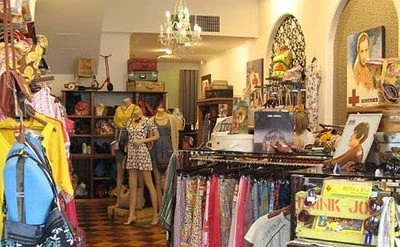
As General Manager, I led a multi-year transformation drawing on global retail best practice. On the cost side, I developed national retail and merchandise strategies that aligned commercial performance with humanitarian goals, restructured teams, optimised the workforce mix and introduced annual planning processes that shifted stores from reactive to proactive management. Cost of goods sold was reduced from 19% to 5% of revenue within two years without compromising income. On the growth side, I opened new stores as part of the national strategy, including flagship vintage concept stores and boutique recycled fashion outlets in premium locations. I launched the Fashion Trade partnership with Country Road, which secured national media coverage and attracted a younger, more values-aligned customer base.
By the end of the transformation, the network had shifted from loss-making to delivering a significant surplus, directly funding Red Cross's humanitarian programs. The repositioning generated over $2.5 million in earned media coverage and significantly broadened public engagement with the brand. More than the numbers, the business had been repositioned: as a place that appealed to a new generation, told a coherent story and operated with the discipline and purpose of a modern social enterprise.
If you're leading a large or complex social enterprise and working through how commercial sustainability and social mission can reinforce rather than undermine each other, this is the kind of thinking I bring to clients. I'd be glad to have a conversation.
I led this work as General Manager at Australian Red Cross, before founding Impact Practice. The blend of commercial strategy, operational discipline and purpose-driven thinking behind it shapes the social enterprise consulting I do today.